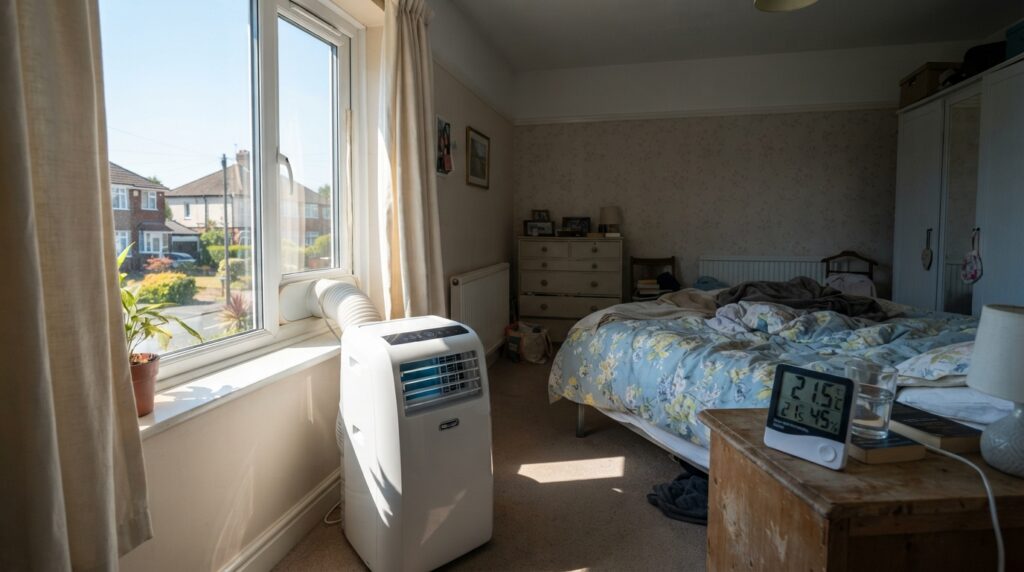
How Long Should It Take to Cool a Room?
A correctly sized portable unit in a sealed room typically brings the temperature down noticeably within the first twenty to thirty minutes, and reaches a comfortable steady state somewhere between…
A correctly sized portable unit in a sealed room typically brings the temperature down noticeably within the first twenty to thirty minutes, and reaches a comfortable steady state somewhere between…
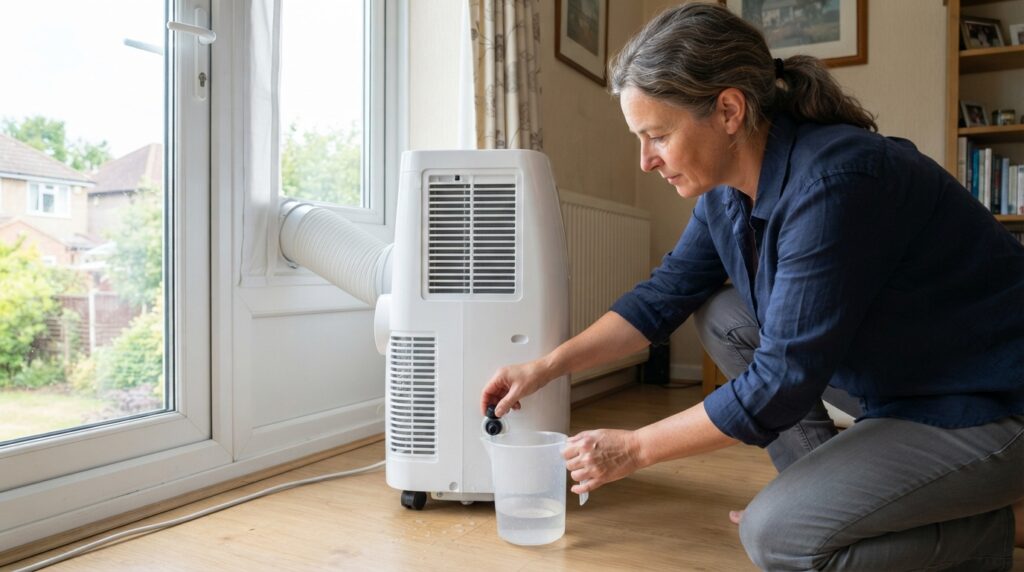
Usually you’ll empty it far less often — sometimes never in a dry spell — but “self-evaporating” doesn’t mean “no water, ever”. These units recycle condensate onto the hot condenser…
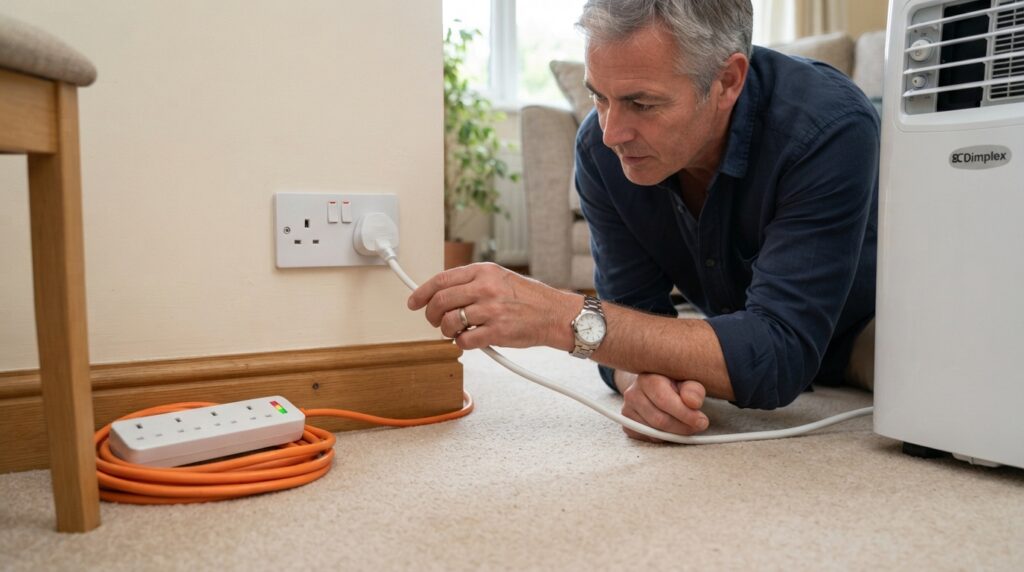
The short safety answer: plug it directly into a wall socket wherever you possibly can. A portable air conditioner is a high-current appliance that runs for hours. If you genuinely…
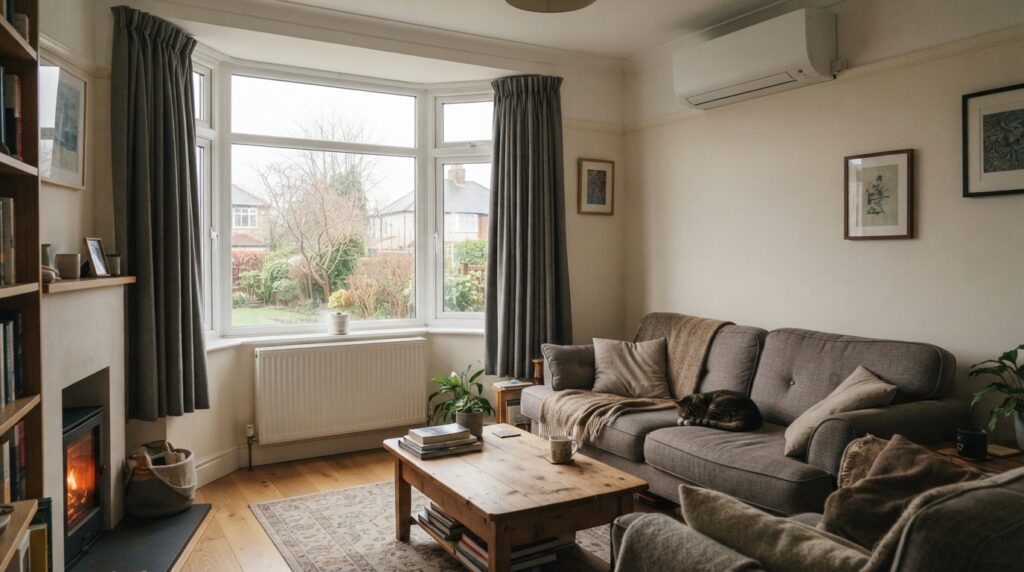
For a portable unit properly dried out and stored, no — it doesn’t need periodic running, and running it in a cold room can do more harm than good. What…
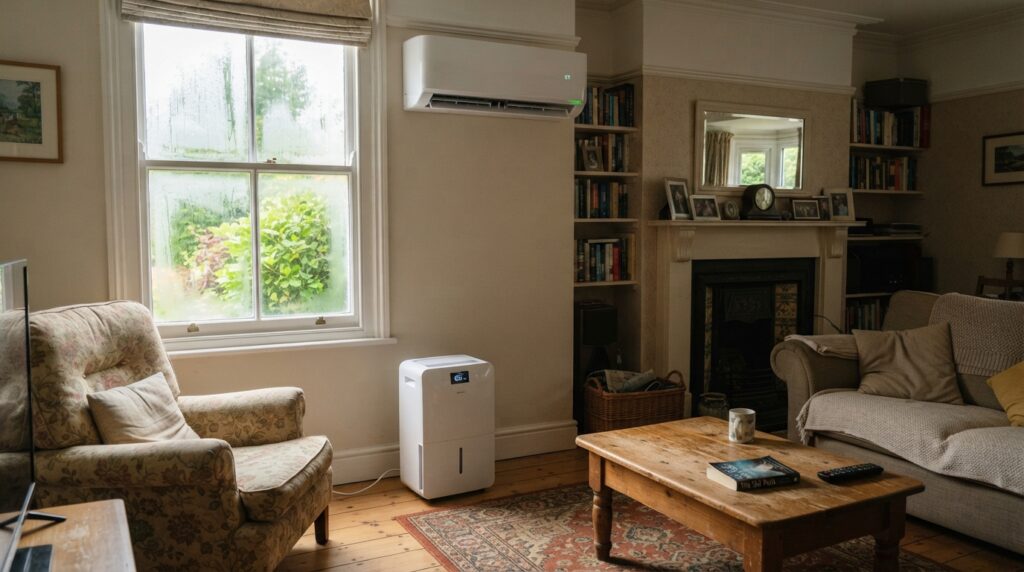
In summer, largely yes — an air conditioner removes moisture as an inherent part of cooling, and dry mode does it with less cooling. In winter, no. Two reasons: the…
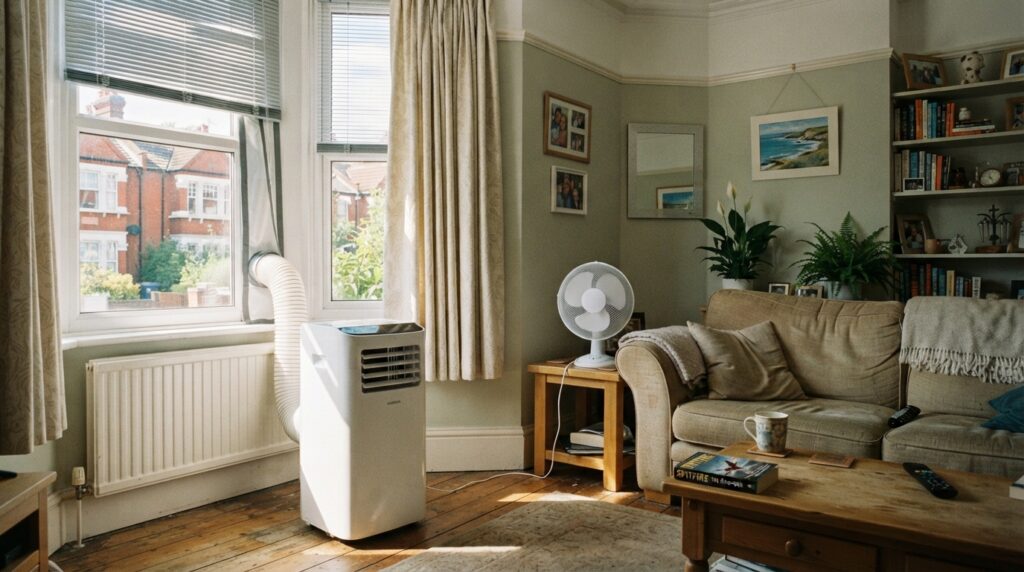
Most “air conditioner hacks” online are nonsense — ice in front of the exhaust, bowls of water, that sort of thing. These ten aren’t. They’re the things that measurably change…
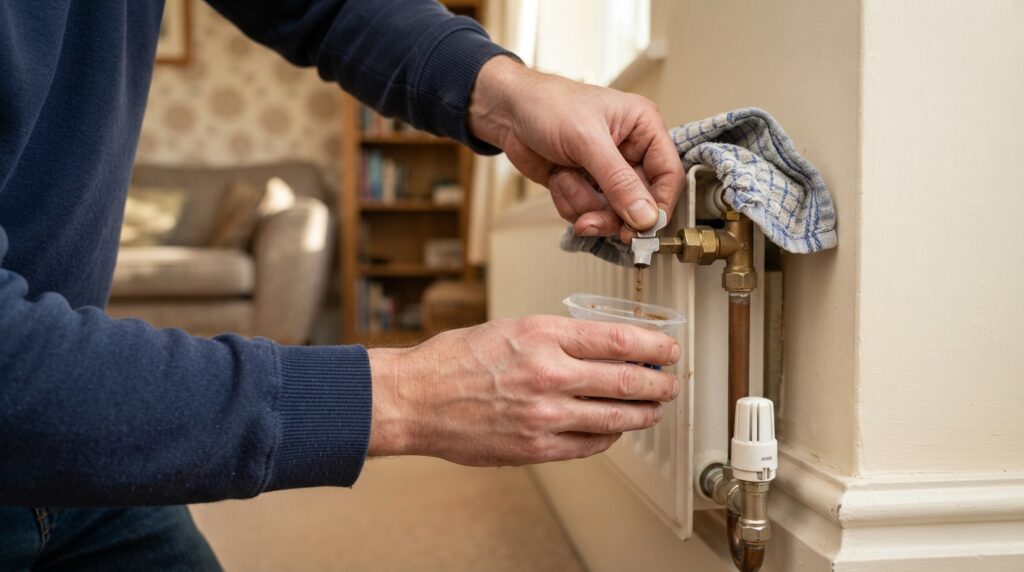
Turn the heating off and let everything cool first — bleeding a hot system risks scalding and doesn’t work as well. Then work downstairs first, and within each floor from…
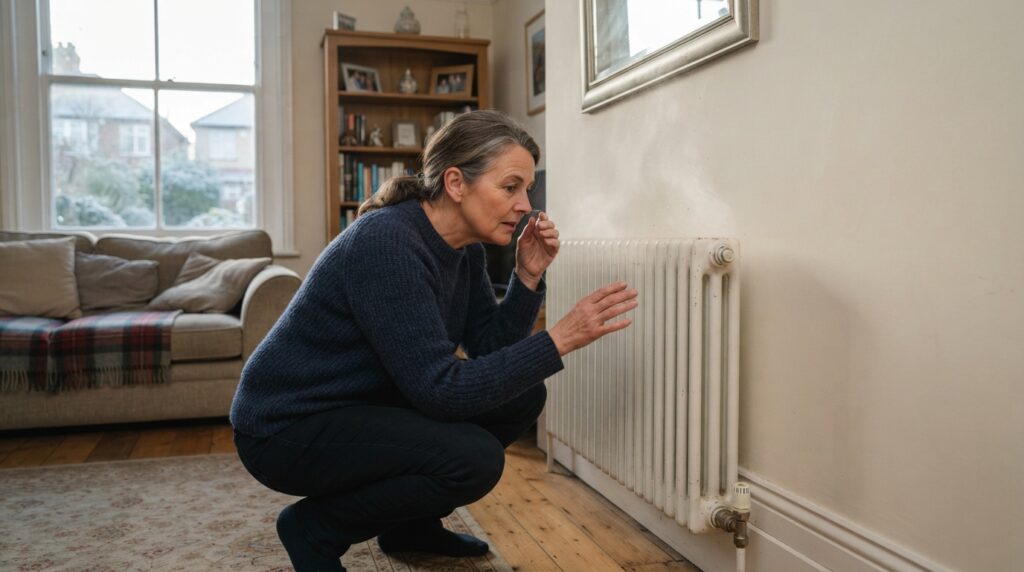
Read this first. Most first-of-the-season burning smells are harmless dust. But some smells are not, and the difference matters. If you smell gas — often described as rotten eggs, from…
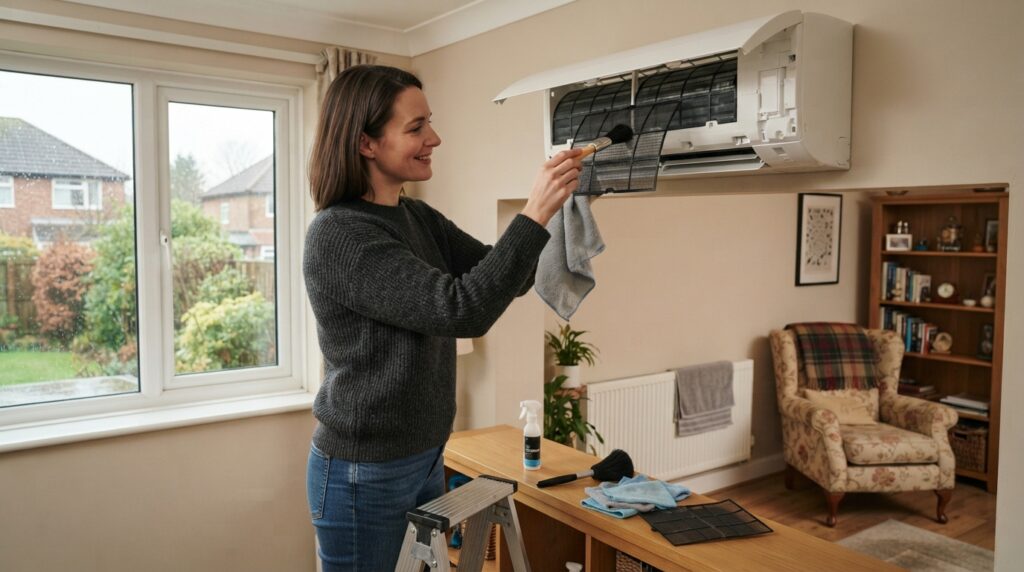
Twenty minutes on a winter afternoon, and next summer’s unit works properly instead of smelling of mould. The list: check it’s stored upright and dry, inspect the filter, uncoil the…
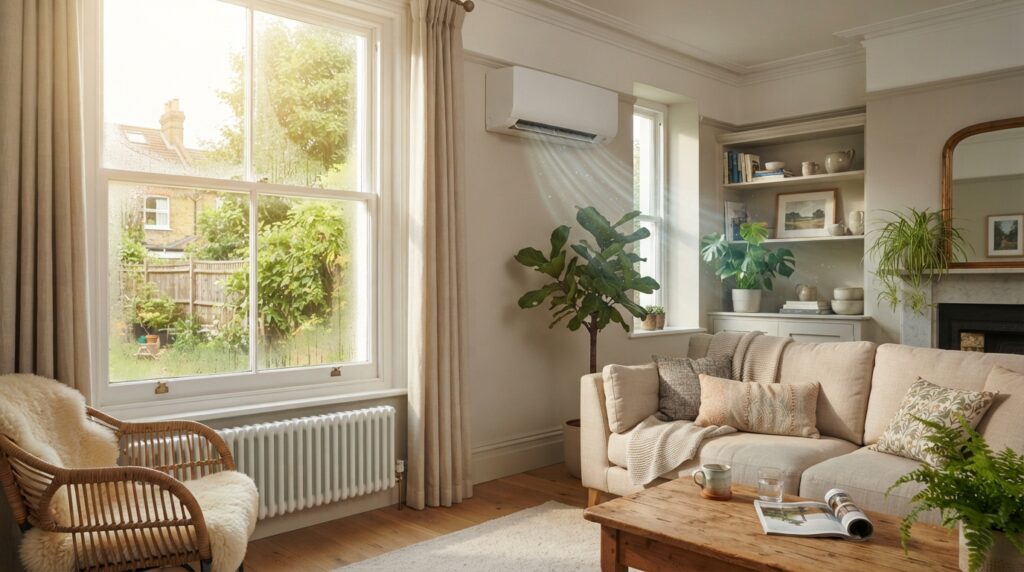
Counterintuitive but common. Warm air holds far more moisture than cold air, so a humid British summer puts more water into your house than winter does — it just doesn’t…