Do External Window Shutters Need Planning Permission in the UK?
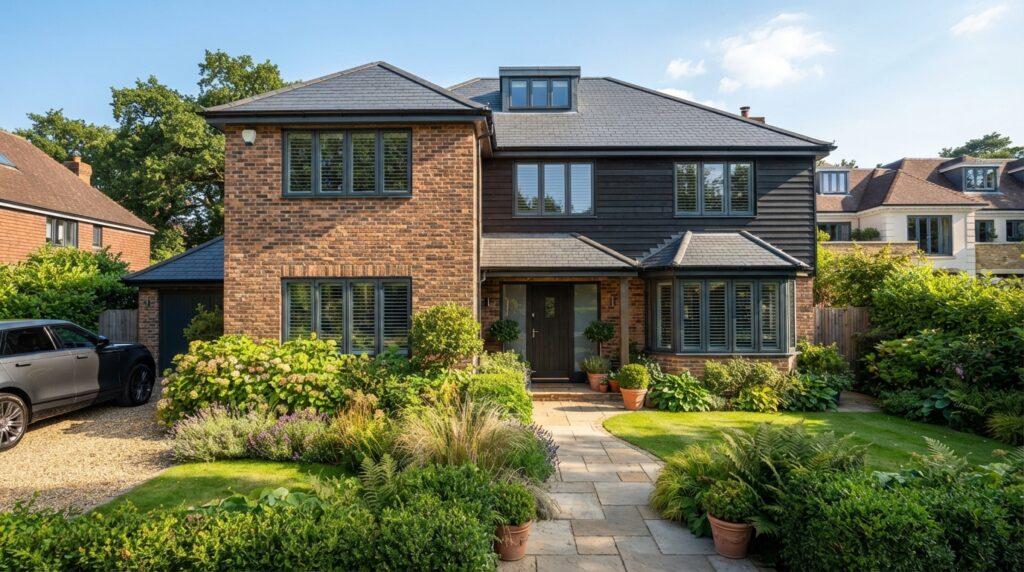
For many ordinary houses, fitting external shutters may not need a planning application — but there are important exceptions, and “external” is the key word, because anything fixed to the outside changes the building’s appearance. You are much more likely to need permission (or to have permitted development rights removed) if your home is listed, in a conservation area, a flat or maisonette, or subject to an Article 4 Direction — and if you’re leasehold, you’ll likely need the freeholder’s consent regardless of the planning position. We deliberately don’t quote hard size or design thresholds here, because it’s genuinely case-specific and the safe, free answer is to confirm with your LPA before you fit anything.
External shutters are among the most effective ways to keep heat out — which is exactly why people fit them — but because they sit on the outside of the building, the planning question is worth getting right first. Here’s the honest position.
Why “external” changes the question
Internal shutters and blinds raise no planning issue at all — they’re inside, and you can fit them freely (subject to a tenancy or lease). External shutters are different: they’re fixed to the outside and alter the building’s appearance, which is the thing planning control is concerned with. That doesn’t automatically mean you need permission, but it’s why the exceptions below matter.
They’re worth the trouble for the right window, because external shading beats anything internal for keeping heat out — our window and curtain guide and external shading guide explain why.
Where permission is more likely to be needed
Regardless of the fine detail, these situations commonly require consent or remove permitted development rights — and they’re the ones to check first:
- Listed buildings. Altering a listed building’s external appearance generally needs listed building consent, and doing unauthorised work is a criminal offence, not just a planning breach. Do not fit external shutters to a listed building without consent. Our heritage guide covers this.
- Conservation areas. Extra controls apply to changes affecting the character and appearance of the area, and an Article 4 Direction may have removed the permitted development rights you’d otherwise rely on. Changes to elevations that front a highway are especially likely to need consent.
- Flats and maisonettes. Permitted development for external alterations is generally more limited or unavailable for flats than for houses — so permission is more likely to be required.
- A material change to appearance. Even on an ordinary house, anything that materially alters the external appearance can bring the need for permission into play. The more prominent and permanent the shutters, the more this matters.
- The devolved nations differ. Scotland, Wales and Northern Ireland run their own regimes — don’t assume the English position applies to your home.
Leasehold: a separate consent entirely
People conflate these, so it’s worth stressing: planning permission and your freeholder’s consent are different things, and you may need both. In a leasehold flat, the freeholder controls the structure and exterior of the building, so fixing shutters to the outside almost always needs their written consent under the lease — often via a formal licence to alter — quite apart from whatever the planning answer is. Our leasehold guide covers that process.
Building Regulations and fixing
Separate from planning, external shutters are fixed to the fabric of the building, so they must be installed securely and safely — a substantial shutter that could fall is a real hazard. On some walls (render, cladding, weak masonry) that’s a job for a competent installer. This is a safety and workmanship matter rather than usually a Building Regulations application, but it’s part of doing it properly.
How to check — the free, safe route
- Planning Portal first — it sets out permitted development and the general position on external alterations.
- Check your property’s status — whether it’s listed, in a conservation area, or subject to an Article 4 Direction. Your LPA’s website usually shows this.
- Ask your LPA — a pre-application enquiry, or a Lawful Development Certificate application, gets you a written answer specific to your home. Not compulsory, but it removes doubt and reassures a future buyer’s solicitor.
- If leasehold, ask the freeholder in parallel.
- Ask a reputable installer — a good one deals with these questions routinely and should know the local position.
If external shutters aren’t an option
If the planning or consent position rules them out, you still have effective routes to keep heat out: freestanding external shade (a parasol or sail positioned to shade the window), a retractable awning where that’s permitted, or internal measures like thermal curtains, blinds and reflective film. Our external shading guide and reflective film guide cover the alternatives — and the planning logic here closely mirrors our air conditioning planning guide, if you’re weighing a fixed cooling installation too.
Frequently asked questions
Do internal shutters need planning permission?
No — internal shutters and blinds are inside the building and raise no planning issue (subject to any tenancy or lease terms). It’s external shutters, which change the building’s appearance, that can.
Can I fit external shutters to a listed building?
Not without listed building consent — altering a listed building’s appearance generally requires it, and unauthorised work is a criminal offence. Speak to your LPA’s conservation team first.
I’m in a conservation area — does that change things?
It can. Extra controls apply to changes affecting the area’s character, and an Article 4 Direction may have removed the permitted development rights you’d otherwise use. Check with your LPA before fitting anything.
What’s the safest way to be sure?
Ask your local planning authority, and consider a Lawful Development Certificate for written confirmation. It’s free to enquire, and far cheaper than removing unauthorised work — especially in a conservation area or on a listed building.
Sources
- Planning Portal — Do you need permission?
- GOV.UK — When is permission required?
- Historic England — Making changes to a listed building
- Leasehold Advisory Service — LEASE
Related reading: our external shading guide and air conditioning planning guide.
If shutters aren’t an option, external shade or thermal curtains keep heat out too. Compare current options at Amazon UK.