What Is a Tropical Night, and Why Is It More Common in the UK Now?
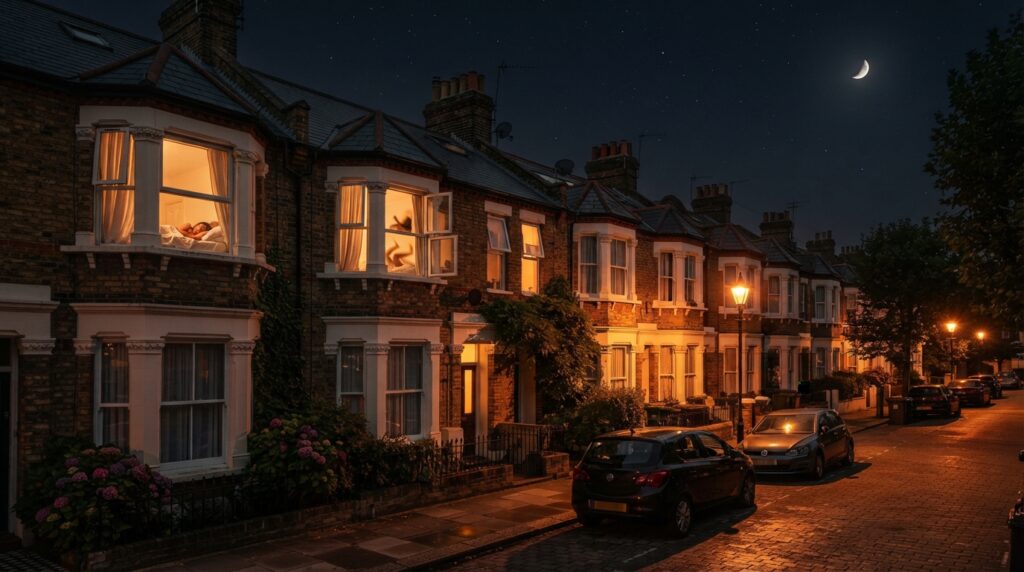
A tropical night is the meteorological term for a night where the minimum temperature doesn’t fall below 20°C — in other words, it never really cools down, even in the small hours before dawn. It’s a standard term used in weather and climate reporting, not a marketing phrase. The Met Office has reported this becoming a more frequent occurrence in parts of the UK, particularly in urban areas, alongside the broader pattern of more frequent and intense heatwaves. Tropical nights matter beyond just feeling stuffy: your body relies on a drop in temperature to fall and stay asleep properly, and the usual UK advice to “open a window overnight to cool the house down” depends entirely on outdoor air actually being cooler than indoor air — which, by definition, a tropical night doesn’t reliably offer.
Most people have experienced a night like this without knowing there’s a proper term for it — the kind of night where you go to bed hoping it’ll cool down and it just… doesn’t. Here’s what’s actually happening.
The actual definition
A tropical night is defined by the minimum temperature recorded overnight staying at or above 20°C. It’s a genuine meteorological classification, used consistently in weather and climate reporting, not an informal or exaggerated description. The name comes from the fact that this kind of overnight warmth has historically been far more typical of tropical climates than the UK’s — hence the term standing out as notable whenever it’s recorded here.
Why it’s becoming more common in the UK
Why this matters more than it might seem
Falling asleep, and staying asleep, depends partly on your core body temperature dropping — it’s a normal part of your body’s sleep process, not something that only matters if you’re a restless sleeper. On an ordinary summer night, outdoor air cools enough after dark that ventilating your home overnight helps bring the indoor temperature down to support that natural drop. On a tropical night, outdoor air simply isn’t cooling enough to do that job, which is a big part of why the classic advice to open windows overnight can feel like it’s stopped working during the most intense stretches of a UK heatwave — it isn’t bad advice, it’s just working against air that, by definition, isn’t offering much of a temperature drop to draw on. This is the same core-temperature-drop principle behind why a lukewarm, rather than ice-cold, shower before bed tends to help more during a heatwave — covered in our cold shower and sleep guide — your body needs to shed heat to properly wind down for sleep, and on a tropical night it’s getting far less help from the room around you to do that.
How to know if tonight will be a tropical night
You don’t need to wait and find out the hard way. A standard UK weather forecast, including the Met Office’s own app and website, shows an overnight minimum temperature alongside the daytime high for each day. If that overnight figure is forecast to stay at or close to 20°C, it’s worth planning your evening around active cooling rather than assuming a late-night breeze will come to the rescue. This is particularly worth checking during a multi-day heatwave, when consecutive warm nights are more likely to cluster together, rather than treating each night as a fresh, independent guess.
What to actually do on a tropical night
- Ventilate as early as possible, rather than waiting for a late-night temperature drop that may not come — our window-timing guide covers adapting the general principle when overnight cooling is limited.
- Don’t assume passive cooling alone will be enough — on a genuine tropical night, active cooling (a fan, or an air conditioner if a fan alone isn’t cutting it) is doing a job that open windows simply can’t when outdoor air isn’t cool enough to help.
- Focus on the room you sleep in specifically, rather than trying to cool the whole house evenly — our bedroom cooling guide covers prioritising where it matters most for sleep.
- Expect it to matter more if you live somewhere urban, given the direct link to the urban heat island effect covered above.
Frequently asked questions
What temperature officially counts as a tropical night?
A minimum overnight temperature of 20°C or above — a standard meteorological definition used in UK and international weather reporting, not an informal description.
How can I check if tonight will be a tropical night?
A standard weather forecast, including the Met Office’s app and website, shows the overnight minimum temperature alongside the daytime high. If that figure is forecast to stay at or close to 20°C, it’s worth planning for active cooling rather than relying on a late-night breeze.
Are tropical nights becoming more common in the UK?
The Met Office has reported them occurring more frequently, particularly in urban areas, as part of broader shifts in UK climate patterns and more frequent, intense heatwaves.
Why doesn’t opening a window help on a tropical night?
Ventilating overnight only cools your home if outdoor air is actually cooler than indoor air. On a tropical night, by definition, the outdoor temperature isn’t dropping much, so there’s less benefit available from opening windows than on an ordinary summer night.
Sources
- Met Office — Understanding UK heatwaves
- NHS — Sleep and tiredness
Related reading: our urban heat island guide and window-timing guide.
Compare current portable air conditioners at Amazon UK.