How to Keep Rabbits and Guinea Pigs Cool in a UK Heatwave
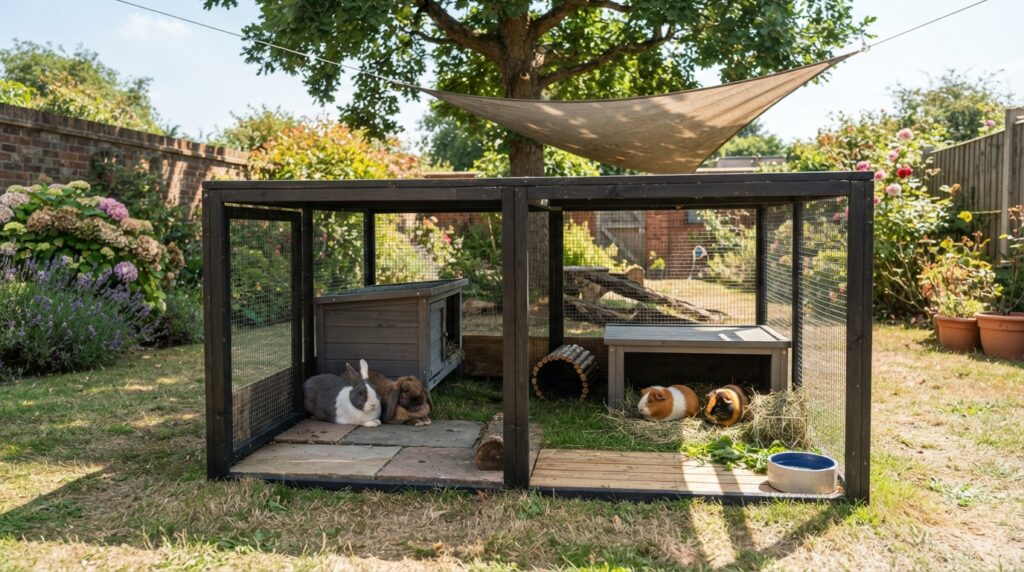
Rabbits and guinea pigs cope with heat far worse than most owners expect. Vets4Pets notes that rabbits can begin to overheat at temperatures as low as 24°C, which is an ordinary warm afternoon in much of the UK, not just a heatwave. The basics that matter most are deep, all-day shade that follows the sun as it moves, extra water, and something cool to lie against, such as a frozen water bottle wrapped in a towel or a ceramic or stone tile. Keep them well away from conservatories, greenhouses and other glass buildings, and check them twice a day for flystrike, which becomes a much bigger risk in warm, humid weather. If they live indoors, the same room-cooling principles that work for people work for them. A cool, shaded room with good airflow is the goal.
Most heatwave advice for pets is written with dogs and cats in mind. Rabbits and guinea pigs have different needs, and they’re often kept outside in hutches that can heat up far faster than owners realise. Here’s what actually matters.
Why rabbits and guinea pigs struggle in the heat
As Vets4Pets explains, wild rabbits spend much of their lives underground in burrows, where the temperature stays fairly stable, or they’re active at night when it’s cooler. Domestic rabbits and guinea pigs haven’t lost that dependence on stable, moderate temperatures. A hutch sitting in the sun, or a run with no proper shade, takes away the escape route their bodies are built to rely on. They can’t simply move somewhere cooler the way a wild animal would, so the responsibility falls entirely on the owner to make sure somewhere cool is always available.
Shade that follows the sun
The RSPCA’s first piece of advice is to keep small pets out of direct sunlight and to provide plenty of shade in their enclosures, remembering that the sun moves throughout the day. A hutch that’s shaded at 10am can be in full sun by 2pm. Before a hot day, it’s worth walking round the garden at a few different times to see where shade actually falls, and then either moving the hutch and run or adding shade to cover the hottest part of the afternoon. A breathable shade sail or parasol over the run works well, as long as it doesn’t trap heat underneath or stop air moving. Our garden shade guide covers the options.
Never move them into a glass building
Water, and plenty of it
Rabbits and guinea pigs drink more in warm weather, and the RSPCA advises giving extra water. In practice that means checking bottles and bowls more often than usual, since a single bottle can run dry faster than you’d expect on a hot day. It also means making sure the water itself isn’t sitting in full sun and warming up. Offering water in both a bottle and a heavy bowl is a common approach, because some animals drink more readily from one than the other and a spare means a blocked spout isn’t a disaster.
Something cool to lie against
Both the RSPCA and Vets4Pets recommend giving small pets a cool surface to lie on or against. The RSPCA suggests freezing a half-full plastic bottle of water and wrapping it in a towel. For rabbits and guinea pigs this can go in their living or exercise area. For smaller rodents it’s safer placed on the outside of the enclosure in case it leaks. Vets4Pets also mentions stone slabs and ceramic tiles, which stay cooler than bedding and give a pet somewhere to stretch out.
A ceramic or granite cooling tile for small pets
A reusable cool surface that needs no power
Can be chilled in the fridge beforehand
Easy to wipe clean
A simple tile made for small pets gives your rabbit or guinea pig a cooler spot to lie on without anything to chew or leak. On paper it’s the easiest cool-surface option to live with, since it goes straight back in the fridge between uses. Treat it as one part of keeping them cool, alongside shade and water, not a replacement for either.
Good for: a reusable cool spot with no power needed; pets that ignore frozen bottles; easy cleaning.
Less good for: a hutch in full sun, where no tile will make up for the lack of shade. It also warms up again over a long afternoon, so swapping in a second chilled tile or a frozen bottle helps.
Check for flystrike twice a day
Flystrike is a summer risk that heat makes much worse. The RSPCA advises checking small pets twice a day in warm, humid weather, when parasites and flies are more active. Pay particular attention to the fur around a rabbit’s rear end, since a dirty or damp back end is especially attractive to flies. If you spot anything worrying, contact your vet the same day. Regular grooming also helps in its own right, because removing dead fur helps them stay cooler.
If your rabbits or guinea pigs live indoors
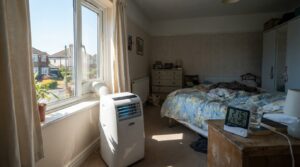
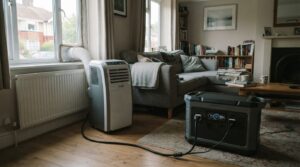
Indoor pets have one big advantage: you can cool the room they live in. Keep their enclosure out of direct sun from windows, and use the same approach you’d use for yourself: ventilate at the right times, close curtains on the sunny side, and cool the room if it’s still too warm. The RSPCA notes that opening windows to improve airflow helps indoor pets. If you run a fan or an air conditioner in the room, position it so the enclosure isn’t in a direct blast of air, and keep all cables well out of reach of chewing. A room thermometer near the enclosure tells you what they’re actually experiencing, rather than what the rest of the house feels like.
Frequently asked questions
What temperature is too hot for a rabbit?
Vets4Pets says rabbits can begin to overheat at temperatures as low as 24°C, so an ordinary warm UK day can be a risk, especially for a hutch in the sun. Don’t wait for a heatwave to put shade and cool surfaces in place.
Can I bring my rabbit’s hutch into the conservatory to keep it cool?
No. The RSPCA warns against greenhouses, conservatories and other glass buildings because they heat up rapidly, and they can become far hotter than the garden outside. A shaded spot outdoors, or a genuinely cool indoor room, is much safer.
Are frozen water bottles safe for guinea pigs?
Yes, the RSPCA recommends a semi-full frozen bottle wrapped in a towel as a cooling aid for rabbits and guinea pigs. For smaller rodents, place it on the outside of the enclosure in case it leaks.
Sources
- RSPCA — Keeping rabbits and rodents cool in summer
- Vets4Pets — Heatstroke in rabbits and small furries
Related reading: our dogs and cats home alone guide and garden shade guide.
Compare current small-pet cooling tiles at Amazon UK.