Single-Hose vs Dual-Hose Portable Air Conditioners: Which Actually Cools Better?
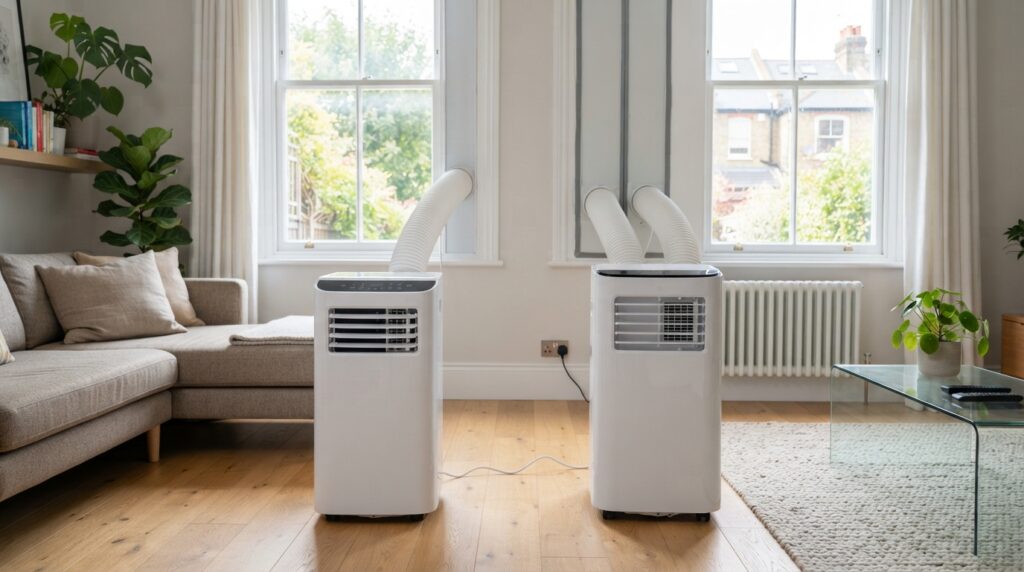
A dual-hose unit is more efficient, and the reason is well documented. A single-hose unit uses air from inside your room to cool its own workings, then blows that air…
A dual-hose unit is more efficient, and the reason is well documented. A single-hose unit uses air from inside your room to cool its own workings, then blows that air…
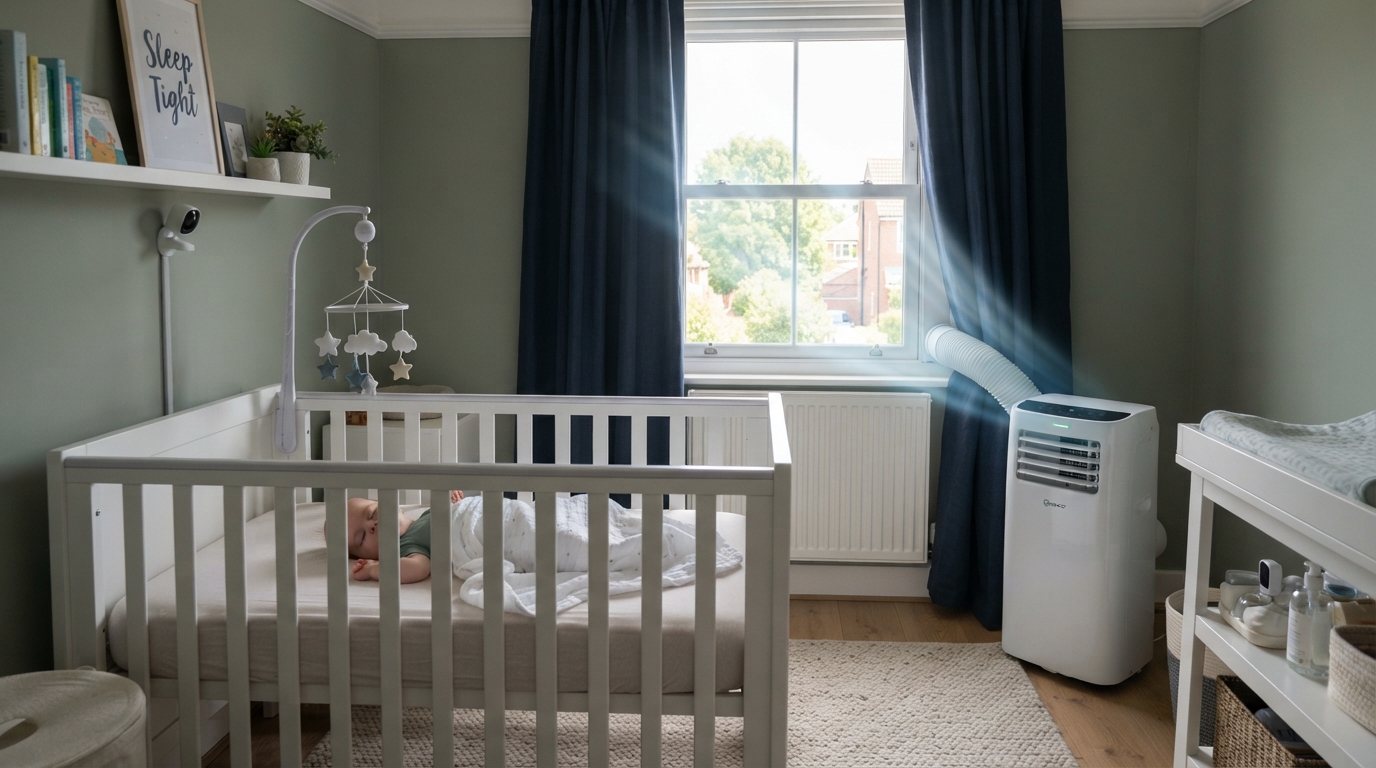
The target is a room of 16–20°C, not the coldest room you can manage. The Lullaby Trust recommends 16–20°C for babies and says the risk of sudden infant death syndrome…
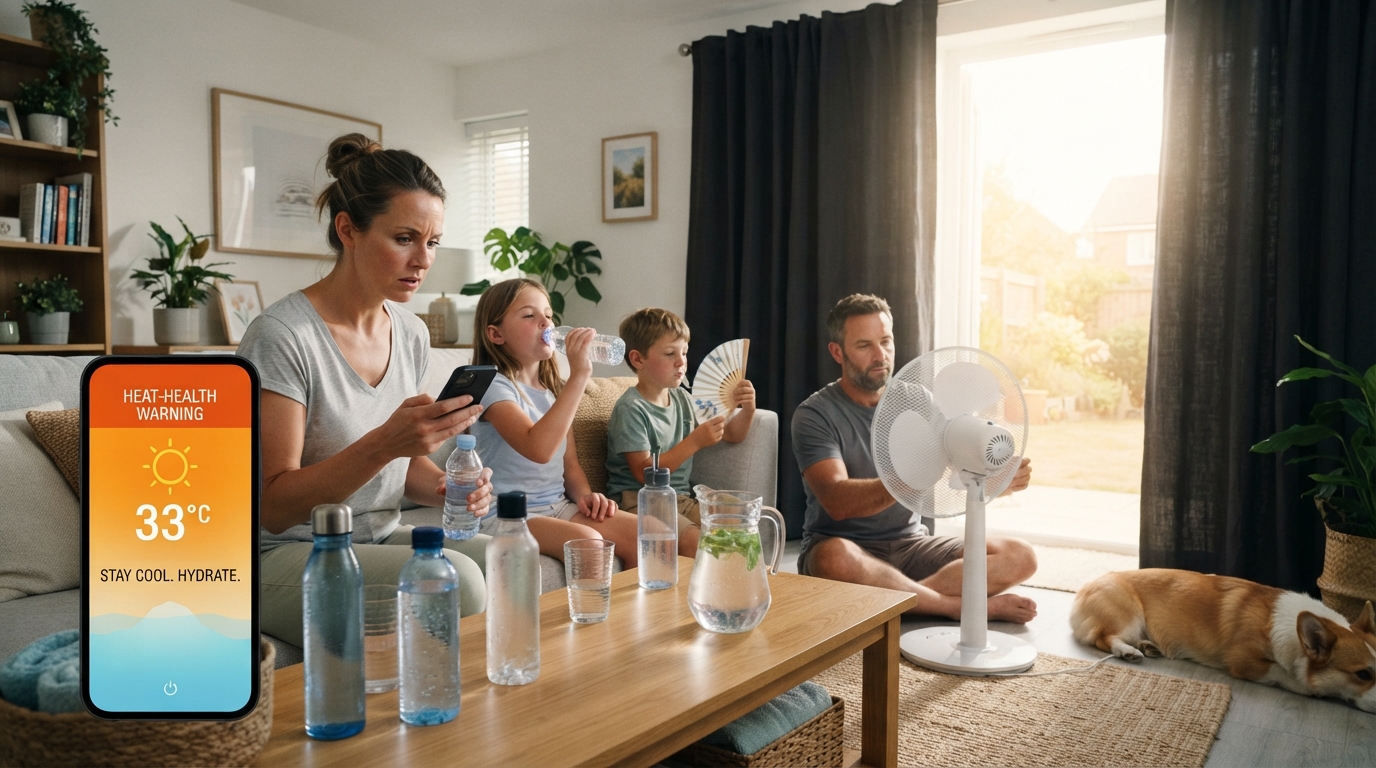
Heat-Health Alerts are issued by the UK Health Security Agency (UKHSA) with the Met Office, and they’re based on the likely impact on health, not a fixed temperature. Green means…

Because the fan never cooled the room in the first place — it cooled you. A fan moves air across your skin, sweeping away the thin layer of warm, damp…
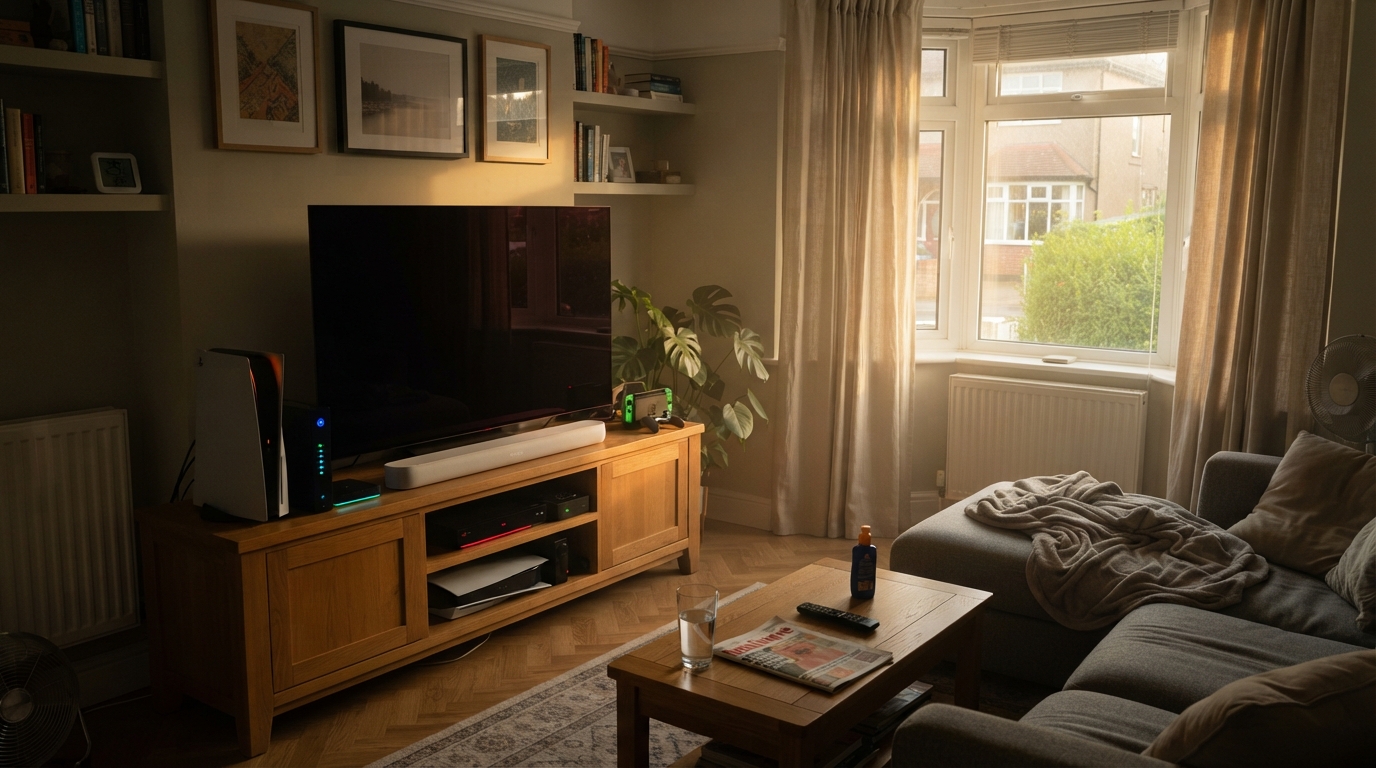
Genuine standby draws too little power to heat a room noticeably — modern devices are regulated to very low standby consumption, and a few watts produces no perceptible warmth. The…

Counterintuitively, a warm shower one to two hours before bed is far better supported by evidence than a cold one. A systematic review and meta-analysis published in Sleep Medicine Reviews…

A tropical night is the meteorological term for a night where the minimum temperature doesn’t fall below 20°C — in other words, it never really cools down, even in the…

Cities genuinely run hotter than the surrounding countryside, especially overnight — a well-documented phenomenon called the urban heat island effect. The main cause is thermal mass: concrete, brick, tarmac and…

The thermometer reading is only part of the story — how hot 25°C actually feels depends heavily on factors a thermometer doesn’t measure. Humidity is the biggest one: your body…
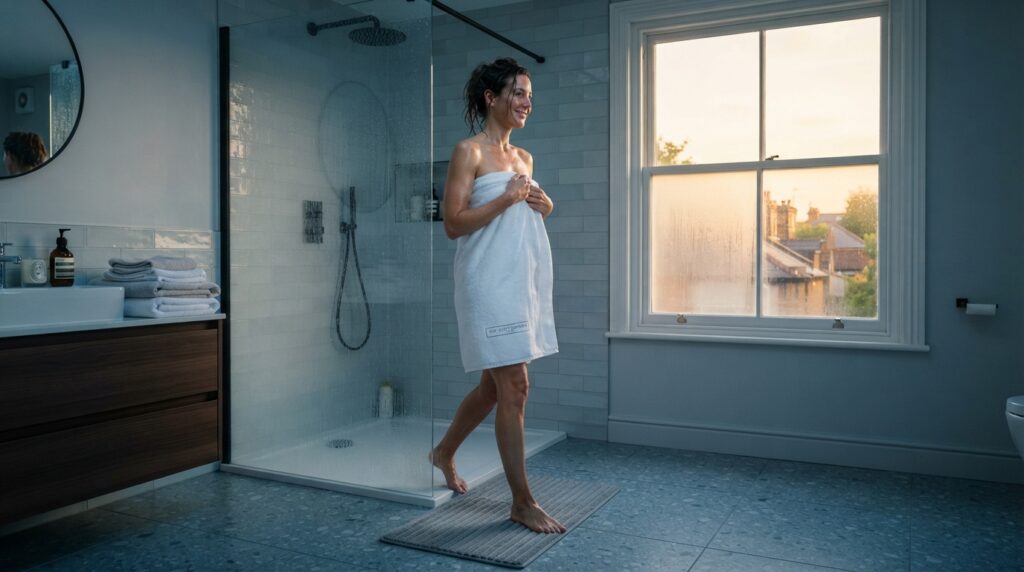
Not quite in the way most people assume — and the reason is genuinely counter-intuitive. Falling asleep relies on your core body temperature dropping, and a properly cold shower can…